Cute Bee Embroidery: A Designer’s Review for Business Use
As an embroidery designer who has spent years digitizing files and consulting with small business owners, I approach every new machine embroidery design with a critical eye. It is not just about whether the artwork looks good on a screen; it is about how it translates to fabric, how it holds up in the wash, and most importantly, how it serves the brand identity of the client. Recently, I evaluated the Cute Bee Embroidery design, a cheerful addition to the Bugs category, to determine its viability for commercial embroidery projects. This review focuses on its practical application for branded patches, uniforms, and merchandise.
First Impressions and Visual Personality
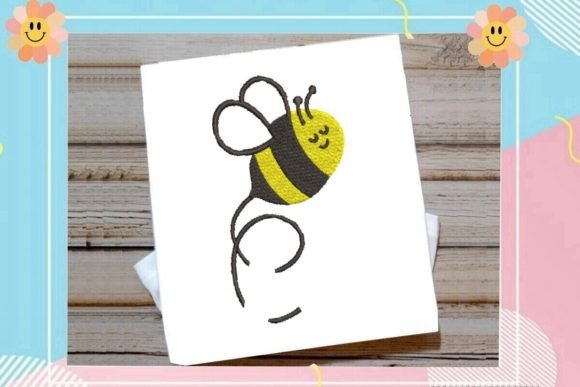
The Cute Bee Embroidery design immediately strikes a friendly and approachable tone. Featuring a cartoon-style bee with large, smiling eyes and delicate wings, the aesthetic is undeniably playful. The rounded body accented by bold stripes suggests a design that is meant to be seen and enjoyed. For businesses in the bakery, florist, pet care, or handmade craft sectors, this visual personality aligns perfectly with brands that want to project warmth, accessibility, and joy.
However, from a technical standpoint, "cute" can sometimes mean "complicated." My initial concern with any character-based embroidery file is the balance between detail and stitchability. The description highlights delicate wings and bold stripes. In practice, this means we must pay close attention to thread colors and stitch density to ensure the wings do not become a tangled mess and the stripes remain distinct rather than blending into a solid block of color.
Real-World Applications for Small Business Merch
For small business owners, Etsy sellers, and merch creators, versatility is key. Here is how I envision this design performing across various product lines:
- Embroidered Patches: This is perhaps the strongest use case. A patch allows for controlled stitching on a stable background before application. The bold stripes of the bee will pop against a neutral twill or felt backing, making it an excellent asset for tote bags, backpacks, or jacket lapels.
- Staff Uniforms and Aprons: For a local café or boutique, staff apparel needs to be professional yet inviting. Placing the Cute Bee Embroidery on the chest pocket of an apron or the sleeve of a work shirt adds a touch of whimsy without overwhelming the uniform. It signals to customers that the brand is friendly and attentive.
- Cap Embroidery: Caps are tricky due to their curved surface. The rounded shape of the bee’s body works well here, but the wings must be simplified or reduced in size to prevent distortion. If the design includes fine details in the wings, they may get lost on a structured cap front.
- Tote Bag Design: Canvas totes are popular for eco-friendly branding. The high contrast of the bee’s stripes against natural canvas creates a striking visual. However, ensure the hoop size accommodates the bag’s seam allowance to avoid puckering.
Technical Considerations and Production Challenges
While the design is charming, successful production requires careful planning. When working with any digital embroidery file, especially one featuring characters, you must consider the physical limitations of the machine and fabric.
Stitch Density and Fabric Texture: The term "delicate wings" raises a flag for stitch density. If the density is too high on lightweight fabric, the material may pucker or tear. Conversely, if the density is too low on a textured fabric like terry cloth or heavy denim, the underlying fabric may show through, ruining the clean look of the bee. Always test on a scrap piece of the actual production fabric.
Small Patch Sizes: If you intend to use this as a tiny label or a small chest logo, verify the minimum viable size. Intricate details like the eyes and wing veins may merge if scaled down too far. A good rule of thumb is to print a printable mockup at the intended size and view it from arm's length. If the features blur, the design is too small for that application.
Thread Color Contrast: The bold stripes rely on color contrast. Ensure your thread palette offers sufficient difference between the yellow body and black stripes. On dark uniforms, you may need to add a satin stitch border or an underlay to make the bee stand out, otherwise, it might disappear into the garment.
Impact on Brand Identity and Customer Trust
Consistency in design assets builds trust. Using a high-quality Cute Bee Embroidery across your product line—from packaging accents to customer gifts—creates a cohesive brand experience. When customers see a well-executed embroidered patch on a tote bag, they perceive higher value compared to a printed logo. It suggests attention to detail and quality, which translates to perceived quality of the core product.
For handmade brands, this design reinforces the "handcrafted" narrative. It feels personal and curated, unlike mass-produced graphics. This emotional connection can drive buyer engagement and loyalty, turning one-time purchasers into repeat customers who appreciate the artisanal touch.
Practical Designer Notes for Implementation
Before committing to a full production run, follow these steps to ensure the best results:
- Test in Black and White: Print or stitch the design in monochrome first. This helps you evaluate the structure and spacing without the distraction of color. If the shape reads clearly in black and white, it will read well in color.
- Check Hoop Size and Stabilizer: Confirm the required hoop size matches your machine’s capabilities. Use an appropriate stabilizer—cut-away for stretchy fabrics like t-shirts, and tear-away for stable woven fabrics like canvas or twill.
- Review Commercial Licensing: Never assume a digital embroidery file includes commercial rights. Check the license terms explicitly. Ensure you are allowed to use the finished product for sale, not just for personal use.
- Create a Mockup for Approval: If working with a client, provide a realistic printable mockup or a stitched sample. This manages expectations and prevents costly reworks.
- Inspect Spacing and Jump Stitches: Look at the stitch file preview. Are there excessive jump stitches between the wings and body? Efficient pathing reduces thread waste and production time.
In conclusion, the Cute Bee Embroidery is a strong candidate for small business merchandising, provided it is handled with technical precision. Its playful nature suits brands looking to appear friendly and approachable. By paying attention to stitch density, fabric choice, and scaling, you can transform this digital asset into a powerful tool for brand recognition and customer engagement. Always prioritize testing on real materials to ensure the final product meets the high standards your customers expect.