Meow Turkey Embroidery File: A Designer’s Review
As a designer who has spent countless hours digitizing and testing patterns for small business owners, I approach every new machine embroidery design with a critical eye. It is not enough for a pattern to look cute on a screen; it must perform under the needle. Recently, I evaluated the Meow Turkey Embroidery File, a whimsical piece that merges feline charm with Thanksgiving motifs. This review breaks down how this design holds up in real-world applications, from boutique sweatshirts to custom tote bags.
First Impressions and Visual Personality
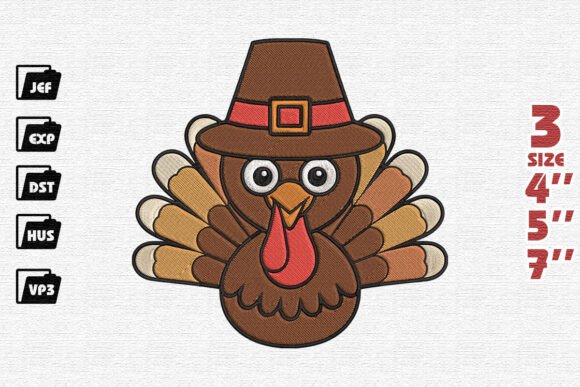
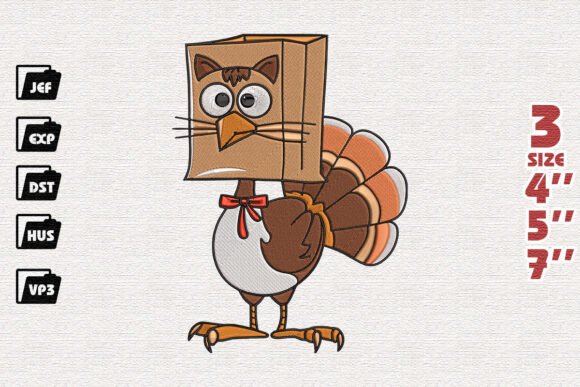
The immediate appeal of the Meow Turkey Embroidery File lies in its playful narrative. By combining a cat with turkey-inspired elements, the design captures a lighthearted mood that resonates well with modern holiday aesthetics. The layout feels balanced, avoiding the clutter that often plagues themed designs. For an embroidery project intended to bring a smile, this visual personality is spot-on. The shapes are distinct, ensuring that the character remains recognizable even from a distance, which is crucial for items like wall hangings or large tote bag designs.
When assessing the detail level, I noticed a thoughtful approach to complexity. The design does not rely on microscopic details that might get lost in production. Instead, it uses bold lines and clear forms. This makes it versatile for various thread colors and fabric types. Whether you are aiming for a traditional autumn palette or a quirky pastel twist, the structure supports creative interpretation without losing its identity.
Performance in Real-Life Scenarios
To truly understand the value of an embroidery file, we must imagine it stitched out. I visualized this design on a heavy cotton canvas tote. The result would be a sturdy, eye-catching accessory perfect for grocery runs or gift-giving. The fill stitch areas appear dense enough to provide good coverage, preventing the fabric from showing through, which enhances the perceived quality of the handmade product.
Consider sweatshirt embroidery. This is a popular category for Etsy sellers during the fall season. The Meow Turkey motif works exceptionally well here because it appeals to a broad demographic, including cat lovers and families celebrating Thanksgiving. On a fleece or French terry fabric, the design needs to sit flat. Based on the visual density, this pattern should lay well if paired with the correct stabilizer. It avoids excessive bulk, which is a common issue in holiday-themed designs that try to incorporate too many elements like leaves, pumpkins, and text all at once.
For custom apparel such as children’s shirts or baby embroidery items, the softness of the subject matter is a major advantage. Parents often look for gentle, fun imagery for little ones. However, when working with delicate fabrics, one must be cautious. The design’s suitability for thin materials depends heavily on the specific stitch count and density, which are not provided in the basic description. Therefore, testing on scrap fabric is non-negotiable before committing to a final finished product.
Technical Considerations and Fabric Compatibility
While the aesthetic is strong, technical execution determines longevity. Here are key areas where the Meow Turkey Embroidery File requires careful handling:
- Fabric Texture: On textured fabrics like waffle knit or heavy linen, ensure the running stitch outlines are sharp enough to define the shape. If the texture is too rough, fine details may blur.
- Stretchy Materials: For caps or fitted hats, the design must be stabilized properly to prevent distortion. Curved surfaces can stretch the image, so check the proportions in your software before stitching.
- Dark Fabrics: If using dark thread on dark fabric, contrast becomes an issue. Test the design in black and white mockups to ensure the silhouette remains clear. You may need to adjust thread choices to maintain visibility.
- Dense Stitch Areas: Inspect any areas where the turkey feathers or cat fur are represented. High stitch density can cause puckering. Using a cut-away stabilizer is often safer than tear-away for these sections to maintain structural integrity.
It is also vital to consider the hoop size. Without specific dimensions listed in the product description, you must verify that the design fits within your machine’s maximum hoop capacity. Attempting to resize a digital embroidery file significantly can distort the aspect ratio, making the cat look stretched or the turkey elements unrecognizable. Always check the original file specifications.
Commercial Viability and Brand Consistency
For craft business owners and small shop products, consistency is key. The Meow Turkey Embroidery File offers a unique niche appeal. It stands out in a market saturated with generic turkey images. This uniqueness can drive buyer engagement and increase the perceived value of your personalized gift offerings. Customers appreciate humor and creativity, which fosters brand loyalty.
When creating printable mockup assets for your online store, this design photographs well. Its clear lines and playful nature translate effectively into digital previews, helping potential buyers visualize the embroidered patch or garment. However, always ensure that your licensing terms allow for commercial use. If the product description does not explicitly state that you can sell finished items made with this digital embroidery file, contact the creator or check the license agreement before listing products on Etsy or other platforms.
Practical Designer Notes
Before running this design on a client’s expensive garment, follow these steps:
- Test on Scrap Fabric: Always stitch a sample on the same type of fabric you intend to use for the final product. This reveals any tension issues or thread breaks.
- Check Thread Contrast: Select threads that complement both the cat and turkey elements. Earthy tones work for traditional looks, while bright colors can modernize the design.
- Inspect Small Details: Zoom in on the digitized file. Look for jump stitches that might need trimming and ensure that satin stitches are not too wide for the fabric weight.
- Verify Licensing: Confirm whether the file is for personal use only or if it includes a commercial license. This is critical for commercial embroidery projects.
- Review Stabilizer Needs: Match the stabilizer to the fabric. Heavy denim may need less support than lightweight cotton, but the design’s density will dictate the final requirement.
In conclusion, the Meow Turkey Embroidery File is a charming addition to any designer’s library. It balances humor with clean execution, making it suitable for a wide range of holiday embroidery projects. By paying attention to technical details like stabilizer choice and fabric compatibility, you can ensure that every stitched piece meets professional standards. Whether you are creating a one-of-a-kind personalized gift or stocking your shop with seasonal bestsellers, this design offers the versatility and appeal needed to succeed in today’s creative market.