Review: Happy Star Machine Embroidery Design
As a designer who has spent countless hours hooping, stitching, and unpicking, I approach every new machine embroidery design with a mix of curiosity and skepticism. We have all seen files that look perfect on the screen but turn into a tangled mess of thread breaks and puckering on the fabric. Recently, I downloaded the Happy Star Machine Embroidery Design to evaluate its potential for real-world application. This isn’t just about whether it looks cute; it is about whether it holds up under the needle when you are trying to run a profitable craft business or create a lasting personalized gift.
First Impressions and Visual Personality
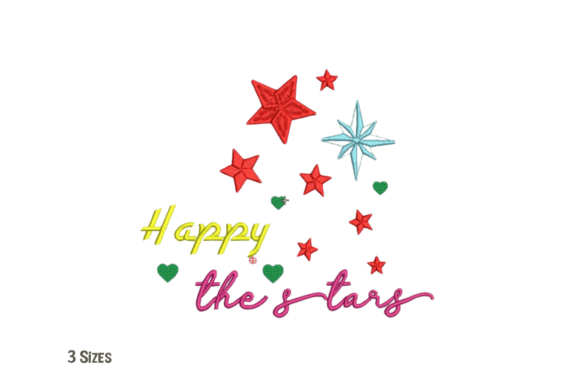
The first thing that strikes you about this design is its inherent cheerfulness. The motif features a smiling star, which immediately sets a playful and welcoming tone. In the world of Inspirational Embroidery, balancing whimsy with professionalism can be tricky. Too cartoonish, and it loses appeal for adult buyers; too stiff, and it loses its charm. This design sits comfortably in the middle. The lines are clean, and the expression is friendly without being overly complex.
From a layout perspective, the design feels balanced. It does not rely on excessive density to create its shape, which is a good sign for stitch-out quality. The visual personality suggests versatility. It is not locked into a single season or age group, although it naturally leans toward children’s apparel and nursery decor. However, with the right color choices, it could easily work for festive holiday projects or even upbeat boutique branding.
Real-World Application: The Tote Bag Test
To truly understand how an embroidery file performs, you have to put it on a challenging surface. I decided to test the Happy Star Machine Embroidery Design on a canvas tote bag. Canvas is unforgiving; if the stabilizer is wrong or the stitch density is too high, the fabric warps. I hooped the bag with a medium-weight cut-away stabilizer, ensuring the grain was straight.
The stitching process was smooth. The design utilizes a combination of satin stitch for the outlines and facial features, and fill stitch for the body of the star. This combination provides excellent definition. The satin stitches lay flat against the textured canvas, creating a crisp border that prevents the fill from looking fuzzy. For an Etsy seller or small shop owner, this clarity is crucial. Customers associate clean stitching with high value. A muddy or poorly defined design can make a handmade product look amateurish, regardless of the quality of the fabric used.
Versatility Across Product Lines
Beyond tote bags, I evaluated how this design would translate to other common items in a craft business inventory:
- Sweatshirt Embroidery: On fleece or cotton blends, the design pops beautifully. The smiling face remains legible even from a distance, making it ideal for custom apparel where brand recognition or personalization is key.
- Baby Embroidery: For onesies or burp cloths, the soft curves of the star are safe and appealing. However, one must be mindful of scale. On tiny garments, ensure the design is resized appropriately so the details do not become lost.
- Embroidered Patch: This design is a strong candidate for patches. The distinct outline allows for easy cutting or merrowing edges. It would sell well as a standalone accessory for jackets or backpacks.
- Holiday Embroidery: While not explicitly seasonal, changing the thread colors to gold, silver, or red instantly transforms it into a festive item. It works well for Christmas ornaments or New Year’s party favors.
Technical Considerations and Potential Pitfalls
No design is perfect for every situation. As a reviewer, I need to highlight where caution is necessary. The Happy Star Machine Embroidery Design relies on clear lines to convey its expression. If you are stitching on highly textured fabrics, such as thick terry cloth or loose-weave linen, the finer details of the smile might get lost. In these cases, using a water-soluble topping is essential to keep the stitches sitting on top of the texture rather than sinking in.
Another area of concern is curved surfaces, such as caps or hats. While the design is relatively compact, stitching on a curved brim requires precise hooping and potentially a different stabilizer strategy. The stitch density appears moderate, which is good for caps, but always test on a scrap piece of the same material first. Dark fabrics also present a challenge. If you use dark thread on dark fabric, the dimensionality of the star may vanish. Always check your thread colors for contrast. A bright yellow or white thread on navy blue works; a dark blue on black does not.
Designer Notes for Best Results
Before you commit to a large production run or a high-value custom order, consider these practical steps:
- Test on Scrap Fabric: Never skip this step. Use the same fabric and stabilizer combination you plan to use for the final product. This reveals any tension issues or registration errors.
- Check Hoop Size: Ensure the design fits comfortably within your hoop with adequate margin for clamping. Crowding the hoop can lead to distortion.
- Review Stitch Types: Understand where the machine will use running stitch versus fill. Running stitches are great for lightweight fabrics but may need reinforcement on stretchy materials.
- Mockup in Black and White: Convert your digital preview to grayscale. If the design loses its shape without color, it lacks structural integrity. This design holds up well, indicating strong foundational digitizing.
- Verify Licensing: If you are a digital product seller or plan to sell finished items commercially, confirm the license terms. Some designers allow commercial use of finished products but prohibit reselling the digital embroidery file itself.
Impact on Brand and Customer Trust
For handmade shop owners, consistency is everything. Using a reliable design like the Happy Star Machine Embroidery Design helps build trust. When a customer receives a personalized gift that is well-stitched and visually appealing, they are more likely to return and recommend your shop. The cheerful vibe of this design aligns well with brands that focus on joy, creativity, and warmth. It enhances the perceived value of the finished product because it looks intentional and professional.
Moreover, this design serves as an excellent asset for printable mockups and marketing materials. Its simple yet engaging shape photographs well, allowing you to create compelling social media content or website listings without needing complex styling. Whether you are creating a tote bag design for a local market or a batch of aprons for a boutique, this motif delivers consistent results.
Final Verdict
The Happy Star Machine Embroidery Design is a solid addition to any designer’s library. It balances aesthetic appeal with technical practicality. It is not overly dense, which saves thread and time, yet it is detailed enough to look premium. For those in the commercial embroidery space, it offers flexibility across various product types, from baby clothes to home decor. Just remember to respect the limitations of your fabric and hoop size. With proper preparation and attention to detail, this design can elevate your embroidery project from simple stitching to a standout piece of art.
Always prioritize quality control. Check your tension, choose your stabilizer wisely, and let the cheerful nature of the star bring a bit of brightness to your next creation. Whether you are an experienced pro or a hobbyist looking to expand your skills, this design offers a reliable and enjoyable stitching experience.