Reviewing Embroidery Flower Pattern Digital Papers for Stitch
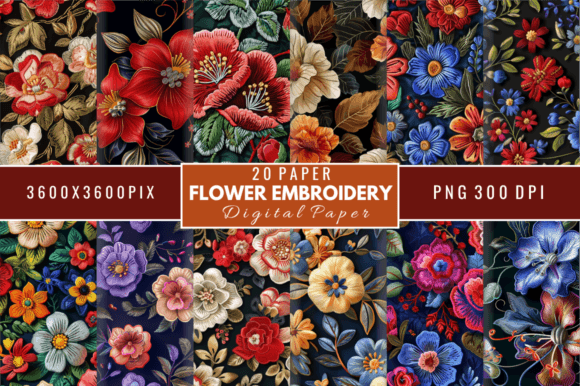
As a designer who has spent countless hours hooping fabric and troubleshooting thread breaks, I approach every new digital embroidery file with a mix of curiosity and skepticism. We are often flooded with generic floral motifs that look pretty on a screen but turn into a tangled mess under the needle. However, when I recently evaluated the Embroidery Flower Pattern Digital Papers, I found myself pausing to consider its potential beyond simple decoration. This collection sits in the Backgrounds and Graphics category, yet its application in tangible embroidery projects requires a keen eye for detail and practical execution.
First Impressions and Visual Personality
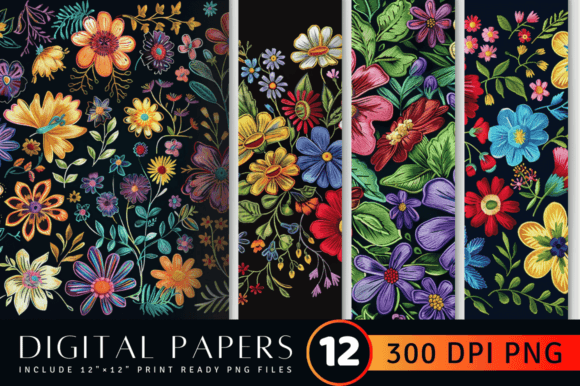
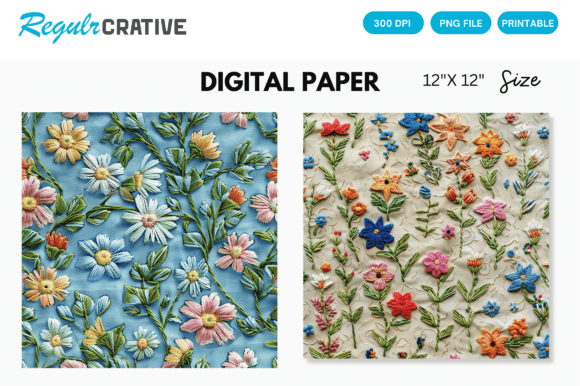
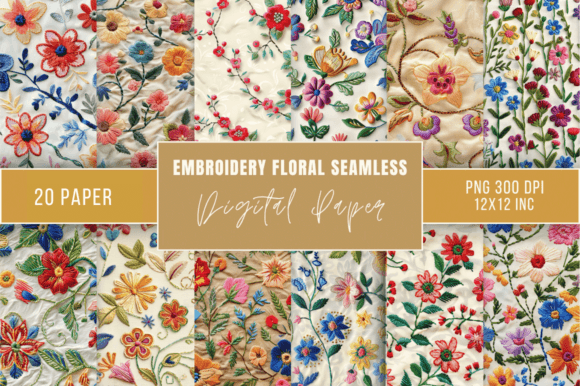
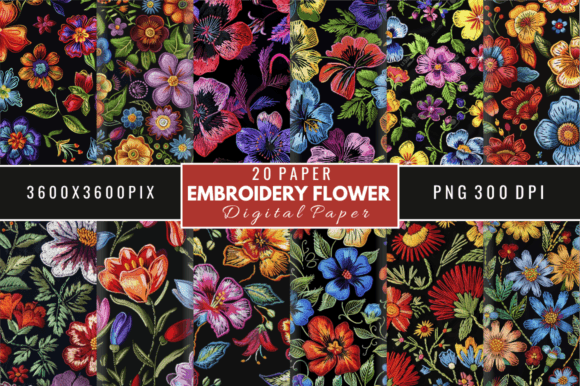
The immediate mood created by these patterns is one of soft, organic elegance. Unlike rigid geometric designs, the floral elements here feel hand-drawn and fluid. For an experienced reviewer, this suggests a design that relies heavily on smooth satin stitch work and careful fill stitch transitions. The layout avoids excessive clutter, which is crucial for maintaining stitching clarity. When I visualized these patterns on actual fabric, I noticed they possess a versatile visual personality. They are not overly juvenile, making them suitable for adult custom apparel, nor are they too stark for delicate items.
The detail level is moderate. This is a significant advantage because extremely high-detail graphics often fail when translated into thread. These patterns strike a balance, offering enough intricacy to look professional while remaining manageable for most home embroidery machines. As design assets, they serve as excellent foundations for creating cohesive brand aesthetics for small shops.
Real-World Application: The Tote Bag Test
To truly understand the value of any machine embroidery design, you must imagine it in a real-life scenario. I envisioned using one of these floral patterns for a custom tote bag design intended for a local boutique. The goal was to create a handmade product that felt elevated yet accessible. The open spaces in the flower petals suggested that a combination of satin borders and light fill centers would work best. This approach reduces stitch density, preventing the fabric from puckering—a common issue with dense floral graphics on canvas or cotton blends.
If I were producing this for an Etsy seller or a craft business, the versatility of these patterns would be a major selling point. They could easily be scaled down for a personalized gift like a monogrammed handkerchief or scaled up for a statement sweatshirt embroidery piece. The key is how the design interacts with the fabric texture. On a smooth twill, the satin stitches would shine; on a textured linen, the design might need slight adjustments to ensure the threads catch properly without getting lost in the weave.
Navigating Fabric and Hoop Constraints
While the aesthetic appeal is strong, practical application requires caution. Not every surface is ideal for these graphics. For instance, using these patterns on stretchy fabrics like jersey for baby embroidery items requires a robust stabilizer strategy. Without proper support, the floral outlines could distort after washing. Similarly, on dark fabrics, the choice of thread colors becomes critical. A low-contrast palette might render the design invisible, whereas high-contrast threads could make the stitching look harsh if the density is too low.
Curved surfaces, such as caps or hats, present another challenge. The flat nature of some background-style patterns may not wrap well around the crown of a cap. In such cases, I would recommend isolating a single flower element rather than using the full pattern. For embroidered patch creation, however, these designs excel. The clear boundaries between petals and leaves allow for clean cutting and merrowed edges, resulting in a professional finished product that holds up to frequent handling.
Enhancing Brand Value and Customer Trust
For small shop product lines, consistency is key. Using a cohesive set of floral patterns can help establish brand recognition. When customers see a distinct style across your holiday embroidery gifts, aprons, and pillow covers, it builds trust. It signals that you are not just slapping random designs on items but curating a specific look. This attention to detail enhances the perceived value of the item. A well-executed floral motif on a kitchen towel can transform a basic household item into a desirable boutique branding asset.
Moreover, these patterns are excellent for creating printable mockup previews. Before stitching a single thread, you can overlay the digital files onto product photos to show clients exactly what their custom apparel will look like. This reduces miscommunication and increases buyer engagement, as customers can visualize the final result clearly.
Practical Designer Notes for Best Results
Before committing to a large production run or listing a new item in your store, follow these practical steps:
- Test on Scrap Fabric: Always stitch out a sample on the same material you intend to use for the final product. Check for puckering or thread breaks.
- Check Thread Contrast: View the design in black and white to ensure the shapes remain distinct even without color differentiation.
- Review Stitch Density: If the design feels too heavy, consider reducing the fill density in your software to save thread and time.
- Confirm Hoop Size: Ensure the pattern fits comfortably within your machine’s hoop, leaving enough margin for clamping.
- Inspect Small Details: Zoom in on tiny petals or leaves. If they are too small, they may not stitch out cleanly and might need simplification.
- Verify Licensing: Since this is a digital product, confirm whether the license allows for commercial embroidery sales. Some files are for personal use only, while others permit unlimited physical sales.
It is important to note that the provided description for Embroidery Flower Pattern Digital Papers does not specify exact stitch counts, file formats, or machine compatibility. Therefore, you must check these technical details before purchase. Ensure the files are compatible with your specific embroidery software and machine type. Additionally, clarify if the license covers the sale of finished physical items versus digital redistribution.
Final Verdict on Usability
The Embroidery Flower Pattern Digital Papers offer a refined aesthetic that bridges the gap between digital art and tactile craft. They are not just static images; they are blueprints for creating beautiful, tangible goods. Whether you are decorating a tea towel for a wedding gift or designing a line of custom apparel for your online store, these patterns provide a solid foundation. Their strength lies in their adaptability and clean structure, which respects the limitations of embroidery machinery while maximizing visual impact.
For makers and creative entrepreneurs, the value here is in the time saved on design creation and the professional finish achievable with proper technique. By paying attention to fabric choice, stabilizer use, and thread selection, you can turn these digital assets into high-quality handmade products that customers love. Remember, the best embroidery design is one that not only looks good on screen but survives the wash and wears well over time. With careful execution, these floral patterns can become a staple in your creative toolkit.