Reviewing Embroidery Lavish Texture Fabric Pattern
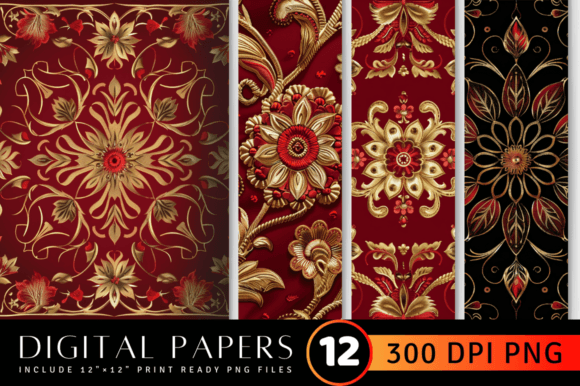
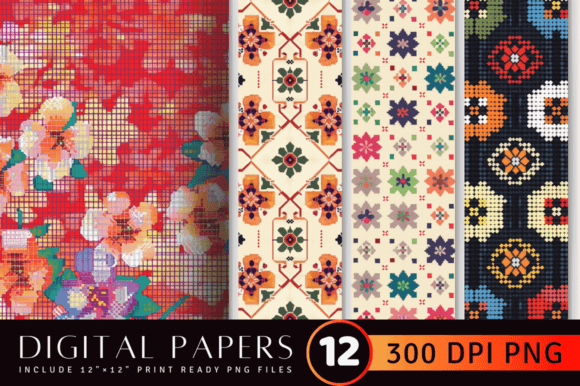
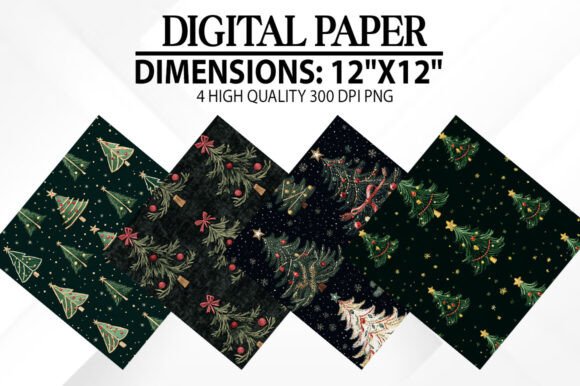
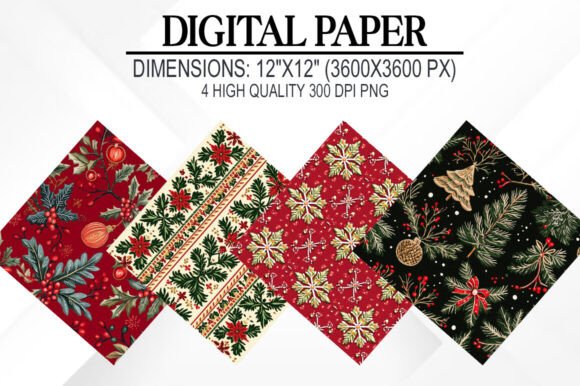
As an embroidery designer who has spent countless weekends standing behind booth tables, watching customers pick up and inspect handmade goods, I have learned that visual texture is everything. When you are selling craft fair products, your items have about three seconds to catch a passerby’s eye. Recently, I had the opportunity to evaluate a new set of assets titled Embroidery Lavish Texture Fabric Pattern. While this is technically categorized under Patterns and Graphics, its application for physical goods is where it truly shines. This review breaks down how these high-resolution images can transform your handmade product lineup, specifically for sellers targeting boutique markets and online platforms.
First Impressions: Visual Impact and Aesthetic Mood
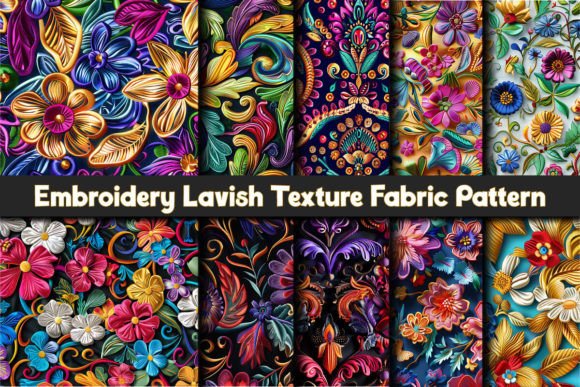
The first thing that strikes you about Embroidery Lavish Texture Fabric Pattern is the implied depth. The title suggests a "lavish" quality, and upon reviewing the 3600px by 3600px HD images, the resolution supports this claim. These are not flat, cartoonish cliparts; they mimic the rich, tactile feel of premium textile work. For a craft fair seller, this aesthetic bridges the gap between modern minimalism and rustic elegance. It feels substantial. When I imagine placing this design on a neutral linen tote or a heavy cotton apron, it does not look like a cheap print. Instead, it enhances the perceived value of the base material.
For Etsy sellers and creative entrepreneurs, the mood here is versatile. It is bold enough to serve as a focal point but refined enough to fit into a farmhouse or contemporary brand identity. The lack of a transparent background in the PNG files means these are best used as full-coverage prints or large-scale sublimation transfers rather than cut-out decals, which actually works in your favor for creating cohesive, all-over print styles on fabric goods.
Product Application: Where This Design Sells Best
To determine the viability of any design assets, I mentally walk through my typical product lineup. Here is how Embroidery Lavish Texture Fabric Pattern performs across different categories:
- Tote Bag Design: This is perhaps the strongest candidate. A large, lush texture pattern covers the canvas beautifully, hiding minor wear and tear while making the bag look expensive. It turns a basic small shop product into a statement piece.
- Apron Embroidery and Kitchen Textiles: For tea towels and aprons, the pattern adds a layer of sophistication. However, because these are graphics and not actual machine embroidery design files with stitch data, you would likely use these for sublimation printing on polyester blends or as reference for hand-guided machine work if you are digitizing them yourself.
- Pillow Covers and Home Decor: The 3600px resolution ensures that when scaled up for a pillow cover, the image remains crisp. Customers at craft fairs love to touch home decor, and a visual texture that looks soft and inviting can drive impulse buys.
- Printable Mockups and Digital Listings: Since you receive 20 HD images, these are invaluable for creating printable mockup scenes for your online store. You can overlay these textures onto digital photos of your blank products to show customers what the finished item could look like without producing physical samples of every colorway.
Production Practicality and Batch Selling
One of the biggest challenges for commercial embroidery businesses and handmade makers is repeatability. Can you make ten of these quickly? Since Embroidery Lavish Texture Fabric Pattern comes as high-quality PNG graphics, the production method shifts from traditional hoop-based stitching to print-on-demand or heat transfer techniques, unless you choose to digitize them. If you are using them as references for actual stitching, be mindful of the complexity.
The "lavish" nature implies density. In a real-world production scenario, translating this visual richness into thread requires careful attention to stitch density. If you decide to digitize these patterns into an embroidery file, you must balance the visual impact with the structural integrity of the fabric. Too much density on a lightweight tea towel embroidery project will cause puckering. On heavier items like tote bags, it holds up better.
For batch production, using these graphics for sublimation or direct-to-garment printing is far more efficient than stitching each one. This allows you to offer a wider variety of colors and sizes without changing thread colors or re-hooping constantly. This efficiency is crucial for maintaining profit margins at busy craft fairs.
Careful-Use Notes and Technical Considerations
While the visual appeal is high, there are practical constraints to consider before launching these as finished product offerings. Because these are graphics and not vector files or native embroidery formats, you cannot simply resize them infinitely without potential quality loss, although 3600px is quite generous.
- Fabric Texture Interaction: The design relies on visual texture. If you print or stitch this onto a highly textured fabric like waffle weave or heavy terry cloth, the details may get lost. Smooth cottons, polyesters, and canvases will showcase the clarity best.
- Curved Surfaces: Applying this pattern to caps or curved pouches requires precision. If using heat transfer, ensure the design is split or adjusted to avoid distortion on the curved surface of a baseball cap.
- Contrast and Visibility: Always test the design on scrap fabric. Dark fabrics may swallow the nuances of the pattern unless the graphic has high contrast. Light fabrics may require a white underbase if printing.
- Stabilizer Selection: If you are converting this into a stitched machine embroidery design, the dense areas will require a cut-away stabilizer to prevent distortion. Do not skimp on stabilization for "lavish" textures.
Enhancing Brand Consistency and Buyer Engagement
Using Embroidery Lavish Texture Fabric Pattern can significantly boost your brand’s perceived quality. In a sea of simple monograms and basic shapes, a rich, textured pattern signals effort and artistry. It helps your booth display stand out. When customers see a cohesive collection of totes, pillows, and aprons featuring this lavish texture, it creates a narrative of luxury and care.
For digital embroidery file sellers, these graphics can also serve as inspiration packs or be sold as part of a hybrid bundle where you offer both the printable graphic and a simplified stitched version. This appeals to mixed-media crafters who use Cricut machines for heat transfers and embroidery machines for accents.
Final Designer Verdict
Before you commit to full production, take these steps. First, confirm the commercial licensing terms included with the download. The description states you receive 20 HD Images in PNG format, but it does not explicitly detail the license scope for physical resale versus digital resale. Always clarify this to protect your business. Second, create at least one real physical mockup. Print the design on your intended fabric and wash it. Check for fading or cracking.
Embroidery Lavish Texture Fabric Pattern is a powerful tool for elevating standard craft fair inventory. It moves beyond the basic embroidered patch or simple logo into the realm of textile art. Whether you use it for direct printing, sublimation, or as a guide for complex digitizing, it offers the visual weight needed to stop shoppers in their tracks. For the serious handmade shop owner looking to differentiate their small shop product line, this asset is worth integrating into your next collection.