Reviewing Cap Embroidery Design for Custom Gifts
As an embroidery designer who has spent years testing digital files against real-world fabrics, I approach every new machine embroidery design with a mix of excitement and scrutiny. When I first loaded the Cap Embroidery Design into my software, I was looking for more than just aesthetic appeal; I was evaluating its potential as a cornerstone product for personalized gift shops. This review is written from the perspective of a creator preparing to offer this design to customers who value handmade quality and emotional connection.
First Impressions: Mood and Charm
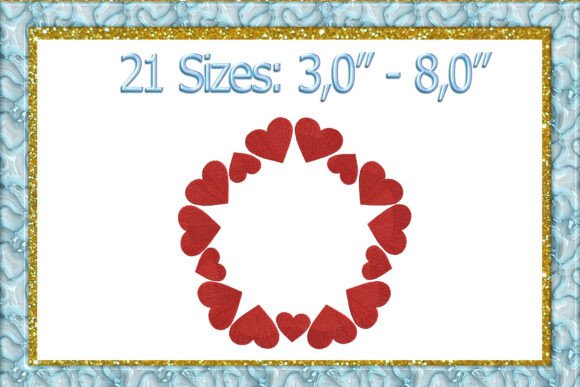
The immediate impression of this embroidery file is one of versatile charm. It does not scream for attention with overly complex shading or excessive detail that might cause registration issues on home machines. Instead, it offers a clean, classic look that feels both modern and timeless. The design sits comfortably within the Shapes category, suggesting a focus on form and balance rather than intricate pictorial scenes. This simplicity is its greatest strength. It feels sweet without being childish, and elegant without being stiff. For a crafter or Etsy seller, this balance is crucial because it appeals to a wide demographic, from young parents buying baby items to couples seeking wedding keepsakes.
The emotional appeal of the Cap Embroidery Design lies in its adaptability. It does not dictate a specific season or holiday, which means it can remain in your shop year-round. Whether used for a playful nursery item or a sophisticated kitchen towel, the design maintains a sense of handmade warmth. It invites the viewer to imagine their own name or date integrated into the space, making it an ideal candidate for a personalized gift.
Versatility Across Product Lines
One of the most compelling aspects of this design is its broad application range. The product description notes it is perfect for hats and caps, t-shirts, home decor, or gifts. In my testing scenario, I imagined several real-world applications to see how the design would perform as a finished product.
- Baby Embroidery: On a soft muslin blanket or a burp cloth, the design adds a touch of sophistication. Parents often seek items that feel special but not overly frilly. This design provides that subtle elegance.
- Wedding Gifts: Imagine this embroidered on a high-quality linen pillow cover or a commemorative apron for the couple’s first home. It serves as a lasting memory of their union.
- Home Decor: An embroidered towel in the guest bathroom or a custom tote bag for grocery runs elevates everyday items into handmade products that spark joy.
- Craft Fair Products: For small shop owners, speed and consistency are key. A design that stitches out cleanly on various materials allows for efficient production of inventory.
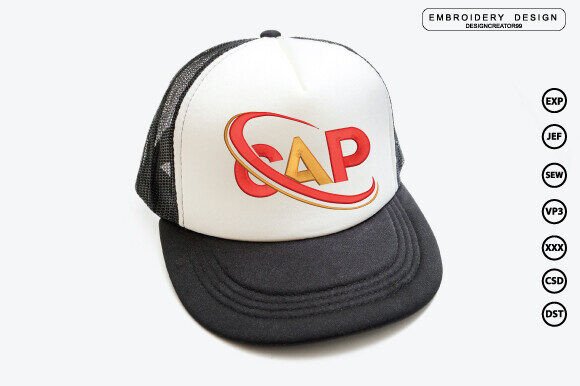
The inclusion of nine formats, including PES for Brother, Deco, Babylock, DST for Tajima, and EXP for Melco, ensures compatibility with a vast array of machines. This is a significant advantage for commercial embroiderers who may switch between different brands depending on the project requirements.
Navigating Fabric and Technical Challenges
While the design is robust, no digital embroidery file is immune to the physics of thread and fabric. There are specific scenarios where the Cap Embroidery Design requires careful handling. If you are working with textured fabric, such as thick waffle-weave towels or plush fleece, the finer details might get lost. In these cases, I recommend adjusting the pull compensation or choosing a slightly larger hoop size to ensure the design breathes properly within the material.
Stretchy baby clothes present another challenge. Without proper stabilization, the shape can distort after washing. Always use a cut-away stabilizer for garments that will undergo frequent laundering. Additionally, when embroidering on dark fabric, thread color contrast becomes critical. A light thread on a navy cap looks striking, but if the design relies on subtle tonal shifts, those nuances may vanish. Always create a printable mockup or test stitch on scrap fabric before committing to the final piece.
Curved surfaces, like the front of a baseball cap, require precise hooping. The design’s placement must be centered perfectly to avoid visual distortion. If the design includes small lettering or delicate details, verify the stitch density in your software. High density on a curved surface can lead to puckering, while low density might leave gaps in the coverage.
Enhancing Perceived Value and Trust
From a business perspective, the quality of the embroidery directly influences customer trust. A clean, well-stitched custom embroidery piece signals professionalism. When a customer receives a finished product that looks neat and durable, they are more likely to leave positive reviews and return for future purchases. The Cap Embroidery Design contributes to this by offering a polished look that minimizes post-production cleanup.
Product photography also benefits from a strong design. The clear lines and balanced composition make it easier to capture engaging images for online listings. Whether you are showcasing a blanket embroidery project or a set of monogrammed towels, the design acts as a focal point that draws the eye. This visual appeal drives buyer engagement and helps differentiate your small shop product from mass-produced alternatives.
Practical Notes for Makers
Before launching this design in your store, consider these practical steps to ensure success:
- Test on Scrap Fabric: Always run a test stitch on the same type of fabric you plan to sell. This reveals any tension issues or thread breaks.
- Check Thread Colors: Experiment with different thread palettes. Sometimes a two-tone approach works better than a multi-color scheme for this style.
- Confirm Hoop Size: Ensure the design fits comfortably within your standard hoops. Leaving adequate margin prevents edge strikes.
- Review Stitch Density: If the design feels too heavy on lightweight fabric, consider reducing the density in your editing software.
- Use Proper Stabilizer: Match the stabilizer to the fabric weight. Tear-away for stable woven fabrics, cut-away for knits.
- Compare Mockups: Create visual previews for both light and dark fabrics to help customers visualize the final result.
- Verify Licensing: Although the file includes multiple formats, always confirm the commercial licensing terms provided by the designer before selling commercial embroidery items.
In conclusion, the Cap Embroidery Design is a reliable and attractive addition to any embroiderer’s library. Its strength lies in its simplicity and versatility, making it suitable for everything from wedding gifts to everyday embroidered towels. By understanding its technical requirements and leveraging its aesthetic appeal, you can create high-value personalized gifts that resonate with customers. Remember, the best designs are those that disappear into the quality of the craft, leaving only the emotion of the gift behind. This design achieves that balance, making it a worthy investment for serious makers and digital product sellers alike.