Reviewing the Teddy Bear Collection Embroidery Design
As an embroidery designer who spends countless hours digitizing and testing files for seasonal collections, I approach every new machine embroidery design with a critical eye. It is not just about whether the file stitches out cleanly; it is about whether the design sells. With the holiday season approaching, I recently reviewed the Teddy Bear Collection Embroidery Design to determine if it deserves a spot in my upcoming product lineup. For Etsy sellers, handmade gift makers, and small business owners, understanding the practical application of this set is crucial for maximizing return on investment during the busiest shopping quarter of the year.
First Impressions: Mood and Aesthetic Appeal
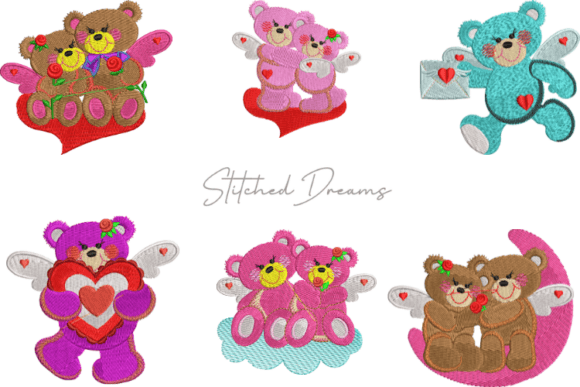
The first thing that strikes you when viewing the Teddy Bear Collection Embroidery Design is its versatility. The collection does not rely on a single aesthetic but offers an array of teddy bears in different shapes, poses, and styles. This variety is essential for creating a cohesive yet diverse seasonal shop collection. Some designs lean into a nostalgic, rustic charm perfect for farmhouse-style home decor, while others offer a cleaner, modern look suitable for contemporary apparel.
The emotional tone is undeniably warm and inviting. In the context of holiday embroidery, customers are often seeking comfort and sentimentality. These bears capture that feeling without being overly saccharine. The detail level is balanced; there is enough texture to make the fur appear soft and tactile, yet the stitch paths are optimized to prevent excessive thread breaks or bird nesting. For a designer planning a small shop product drop, this balance between visual appeal and production efficiency is vital.
Strategic Product Applications for the Holidays
When building a seasonal inventory, I look for designs that can be adapted across multiple product categories. The Teddy Bear Collection Embroidery Design excels here. Here is how I envision deploying these files in a real-world selling scenario:
- Sweatshirt Embroidery: Place a larger bear design on the left chest of crewneck sweatshirts. This creates a premium, boutique feel that appeals to buyers looking for cozy winter wear.
- Kitchen Towel Embroidery: Smaller, simpler bear poses work beautifully on waffle-weave or flour sack towels. These make excellent hostess gifts or additions to holiday gift bundles.
- Tote Bag Design: A medium-sized bear centered on a canvas tote creates a durable, everyday item that parents love for carrying library books or holiday groceries.
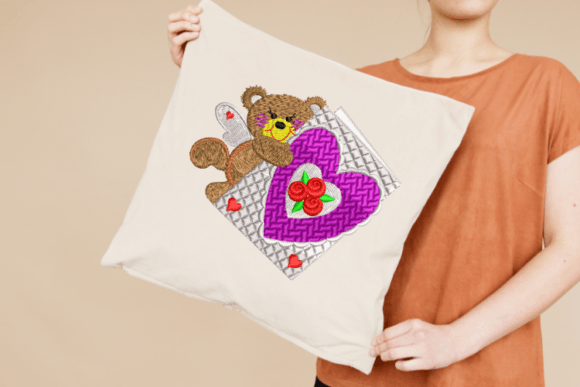
- Pillow Cover Accents: Use the more detailed, decorative bears on velvet or linen pillow covers to add a touch of whimsy to living room decor.
- Embroidered Patch Creation: Digitize or use the existing files to create iron-on patches. These can be sold separately or applied to denim jackets for a customized look.
For those focusing on personalized gift options, these designs pair exceptionally well with monograms. Imagine a baby blanket featuring a small bear from the collection alongside the child’s name. This increases the perceived value and allows for higher price points.
Navigating Technical Challenges and Fabric Constraints
While the artistic merit of the Teddy Bear Collection Embroidery Design is high, practical execution requires attention to detail. Not every fabric behaves the same way, and not every hoop size is suitable for every variant in the collection. As a professional, I advise caution in the following areas:
Stitch Density and Fabric Texture: Some of the more intricate bear designs may have higher stitch density to simulate fur texture. When stitching on delicate fabrics like silk or thin cotton, this can cause puckering. Always test on a scrap piece of your intended material first. Conversely, on thick items like hoodies, ensure your needle is sharp enough to penetrate without deflecting.
Hoop Size Limitations: The collection includes various sizes. Do not attempt to shrink a large design to fit a 4x4 hoop unless the software allows for proper resizing without distorting the stitch angles. Always confirm the recommended hoop size provided with the digital embroidery file before starting production.
Dark Fabric and Thread Colors: Teddy bears are traditionally brown, beige, or cream. Stitching light thread colors on dark garments requires careful planning. You may need to adjust the underlay or use a topstitch technique to ensure the design pops. Additionally, avoid using metallic thread for the main body of the bear unless specifically designed for it, as it can increase breakage rates significantly.
Stretchy Garments and Curved Surfaces: If applying these designs to baby onesies or curved caps, proper stabilization is non-negotiable. Use a cut-away stabilizer for stretchy knits to prevent the design from distorting after washing. For caps, ensure the design fits within the curved area without hitting the seams.
Boosting Seasonal Sales and Brand Consistency
From a marketing perspective, the Teddy Bear Collection Embroidery Design offers strong potential for social media engagement. The cute and cozy nature of the images performs well on platforms like Instagram and Pinterest. Creating realistic mockups using these designs can help visualize the final product for customers who may not understand how embroidery looks on different textiles.
Consistency is key for brand trust. By using a unified collection rather than disparate clip-art style bears, your shop maintains a professional appearance. This is particularly important for commercial embroidery businesses where brand recognition drives repeat customers. The emotional connection buyers feel toward teddy bears can translate into higher conversion rates during the holiday rush.
Practical Designer Notes for Implementation
- Test Thread Colors: Run sample stitches on both light and dark fabrics to establish a standard color palette for your shop. This ensures consistency across all finished products.
- Check Stabilizer Compatibility: Match the stabilizer type to the fabric weight. Heavy towels need different support than lightweight apparel.
- Review Small Details: After stitching a sample, inspect the eyes and nose details. Ensure they are secure and well-formed, as these are focal points for the viewer.
- Verify Licensing: Before selling any finished product made with this embroidery file, confirm the commercial licensing terms. Most designers allow physical sales but restrict digital redistribution.
- Create Printable Mockups: Use high-quality photos of your stitched samples to create printable promotional graphics for craft fair displays or online listings.
In conclusion, the Teddy Bear Collection Embroidery Design is a robust asset for any embroidery business preparing for the holiday season. Its adaptability across various products, from sweatshirt embroidery to home decor, makes it a versatile choice. However, success lies in the execution. By paying attention to stitch density, choosing the right thread colors, and understanding the limitations of different fabrics, you can transform these digital files into high-demand physical goods. For the serious Etsy seller or craft professional, this collection offers the warmth and variety needed to stand out in a crowded marketplace.