Walto Fonts Embroidery Design Review
As an embroidery designer who has spent countless weekends behind a craft fair booth, I know that the difference between a browser and a buyer often comes down to readability and aesthetic appeal. When I first loaded the Walto Fonts Embroidery Design into my digitizing software, I was looking for more than just letters; I was looking for a tool that could elevate my handmade product line from simple to sophisticated. This review breaks down how this specific font performs in the real world of production, sales, and customer engagement.
First Impressions and Aesthetic Appeal
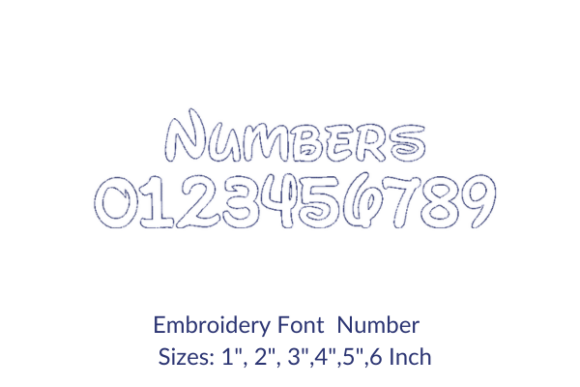
The immediate vibe of Walto is versatile. It does not scream "rustic" nor does it feel overly "modern minimal." Instead, it strikes a balance that feels premium and approachable. For a craft fair seller, this is crucial. You need a typeface that can adapt to a whimsical tote bag one minute and a serious, personalized apron the next. The clean lines suggest a high-quality machine embroidery design that will hold up well under scrutiny. When customers walk past your booth, they scan items quickly. A font that is too intricate gets lost; a font that is too plain gets ignored. Walto sits in that sweet spot where it commands attention without overwhelming the fabric.
Performance on Key Craft Fair Products
To truly test a font, you must put it to work on various textiles. Here is how Walto performs across the most popular items found in handmade markets:
- Tote Bag Design: This is perhaps the strongest use case. The font scales beautifully for large names or short quotes on canvas. It provides enough weight to be seen from a distance, making it an excellent craft fair product staple.
- Apron Embroidery: Personalized aprons are high-ticket items. Walto allows for clear legibility even when stitched over pocket areas. It feels professional, adding perceived value to the finished product.
- Tea Towel Embroidery: Kitchen linens require durability. The stitch structure appears robust enough to withstand washing, provided the correct stabilizer is used. It adds a charming, custom touch that mass-produced towels lack.
- Embroidered Patch: For smaller applications, the clarity of the letters is vital. Walto maintains its shape well, making it ideal for iron-on patches that customers can apply to jackets or bags later.
- Caps and Curved Surfaces: Stitching on curved surfaces like baseball caps is tricky. Because the font is not overly dense, it reduces the risk of puckering, a common nightmare for Etsy seller operations.
Practical Production and Batch Selling
For those of us running a small shop product line, time is money. The repeatability of a design is just as important as its look. Walto Fonts Embroidery Design seems engineered for efficiency. The stitch paths appear logical, which suggests fewer thread breaks and faster run times. This is essential when you are producing ten personalized pillows for a holiday market rush.
Furthermore, this font photographs exceptionally well. In the digital age, your printable mockup and online listings are your storefront. The clean edges of the embroidery create sharp contrasts in photos, helping your design assets stand out in a crowded Etsy feed. Whether you are selling the digital embroidery file itself or the physical item, the visual clarity translates well through a camera lens.
Careful-Use Notes for Designers
While Walto is versatile, no font is universal. As an experienced designer, I recommend keeping the following technical considerations in mind:
- Dense Stitch Areas: If you plan to use this font at very large sizes, monitor the stitch density. You may need to adjust underlay settings to prevent the fabric from becoming stiff or heavy.
- Fabric Texture: On highly textured fabrics like waffle-weave towels, ensure your thread colors contrast sufficiently with the background. Low-contrast combinations can cause the letters to blend into the texture, losing readability.
- Small Lettering: While scalable, avoid shrinking the font below a certain threshold where internal spaces (like in 'e' or 'a') might fill in with thread. Always test the smallest size you intend to sell.
- Dark Fabric: When stitching on dark materials, consider using a lighter thread color or adding a satin border if the font style permits, to ensure the text pops.
Enhancing Brand Consistency and Value
Using a consistent typography style across your booth display strengthens your brand identity. If you use Walto for your signage, your packaging tags, and your products, you create a cohesive visual experience. This consistency signals professionalism to buyers. It tells them that you are not just hobbyists, but serious creators of commercial embroidery quality goods.
Customers are willing to pay more for personalization, but only if it looks intentional. A sloppy font choice can devalue a high-quality linen pillow. Conversely, a crisp, well-executed font like Walto elevates a simple cotton tote into a giftable keepsake. It bridges the gap between a DIY project and a boutique item.
Designer Recommendations for Implementation
Before you commit to a full production run, follow these practical steps to ensure success with Walto Fonts Embroidery Design:
- Test on Scrap Fabric: Never skip this step. Run the design on the exact fabric weight you plan to use for sales. Check for puckering or registration issues.
- Check Thread Contrast: Create a color chart. See which thread brands and shades offer the best visibility against your most popular fabric colors.
- Confirm Hoop Size: Ensure the design fits comfortably within your standard hoop sizes without requiring excessive re-hooping, which slows down production.
- Review Licensing: Since this is a digital embroidery file, always verify the license terms. Confirm that you have the rights to use the finished designs for commercial embroidery sales if you are selling physical goods.
- Create Real Mockups: Do not rely solely on digital previews. Stitch out a sample on a actual tote or apron to see how the drape of the fabric affects the look of the text.
In conclusion, Walto Fonts Embroidery Design is a robust addition to any designer’s library. It offers the flexibility needed for diverse Embroidery Fonts applications while maintaining the quality required for professional Embroidery products. Whether you are stocking up for a weekend market or expanding your online store, this font provides the reliability and aesthetic appeal necessary to drive sales and satisfy customers. By paying attention to fabric choice and stitch optimization, you can turn this digital asset into a cornerstone of your handmade business.