Wolf Mascot School Design Review for Merch
As an embroidery designer who has spent years digitizing logos and testing files for small business clients, I approach every new machine embroidery design with a critical eye. It is not just about whether the image looks cute on a screen; it is about how that design translates into thread, how it holds up under industrial washing, and whether it elevates the perceived value of the final product. Recently, I reviewed the Wolf Embroidery Design- Mascot School, a versatile asset categorized under Sports and Embroidery, to determine its viability for branded merchandise and commercial use.
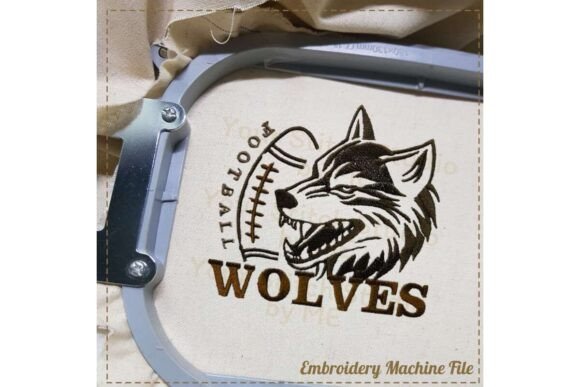
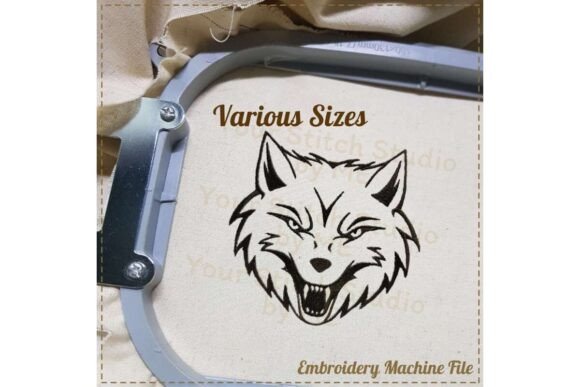
The first impression of this design is one of bold professionalism mixed with a classic mascot appeal. The wolf motif suggests strength, loyalty, and teamwork—traits that many brands, from local sports leagues to boutique coffee shops, want to project. Unlike overly intricate illustrations that get lost in translation, this design appears to balance detail with clarity. For a small business owner, this is crucial. You need a logo that is recognizable from across the room, whether it is stitched onto a jacket hanging in a window or pinned to a tote bag at a craft fair.
Real-World Applications for Small Business Merch
The true test of any digital embroidery file is its adaptability. The product description notes that the versatility of this design allows you to embroider it onto various items, such as pillows, tote bags, jackets, or even framed artwork. In my experience, this range of application is exactly what modern merch creators need. Let us break down how this specific wolf design performs in key commercial scenarios.
For apparel decorators and uniform suppliers, this design shines as a chest logo accent or sleeve detail. When applied to staff uniforms, such as polo shirts or work jackets, the wolf mascot creates an immediate sense of team unity. It works particularly well for schools, sports clubs, or outdoor brands where the animal imagery aligns with the company ethos. The design’s structure suggests it can handle the tension of stretchy fabrics if paired with the correct stabilizer, making it a strong candidate for performance wear.
Beyond clothing, the rise of the embroidered patch market has opened new revenue streams for Etsy sellers and handmade brands. This wolf design is ideally suited for iron-on or sew-on patches. Patches allow customers to customize their own gear, adding a layer of personalization that drives sales. Whether used on denim jackets, backpacks, or hats, a high-quality patch serves as a mobile advertisement for your brand. The robust nature of a wolf mascot ensures it remains legible even when scaled down to a two-inch circle.
Accessory items like tote bag design projects also benefit from this artwork. Tote bags are ubiquitous in retail, serving as both practical carriers and walking billboards. Embroidering this wolf design onto canvas totes adds a premium, tactile quality that printed graphics cannot match. It signals to the buyer that the product is durable and thoughtfully made. Similarly, for hospitality businesses like cafes or bakeries, using this design on apron embroidery can reinforce brand identity while maintaining a rugged, artisanal aesthetic.
Navigating Technical Challenges and Fabric Textures
While the design is versatile, experienced designers know that not every surface is created equal. There are specific contexts where you must exercise caution. For instance, cap embroidery presents unique challenges due to the curved surface and limited hoop space. If you plan to place this wolf mascot on the front panel of a baseball cap, you must ensure the design width does not exceed the standard 2.5 to 3 inches typically available for front logos. Distortion can occur if the design is too wide or if the hoop size is not properly aligned with the cap’s curvature.
Another critical factor is stitch density. A mascot design often requires solid fills to create impact. However, high density on lightweight fabrics can cause puckering or tearing. If you are stitching this onto thin t-shirts or delicate tote materials, you must use a cut-away stabilizer and potentially adjust the density settings in your software if you have the editable source file. Conversely, on heavy textures like wool coats or thick canvas, the design needs sufficient pull compensation to ensure the outlines remain sharp and do not sink into the fabric texture.
Color contrast is another vital consideration. A wolf design often relies on shades of gray, white, and black. On dark uniforms, such as navy or black work shirts, you must ensure there is enough light thread usage to make the design pop. Without proper contrast, the details of the wolf’s face or fur texture may disappear, reducing the professional look of the finished product. Always run a test stitch on the actual garment color before committing to a full production run.
Enhancing Brand Identity and Customer Trust
From a marketing perspective, consistent visual assets are the backbone of brand identity. Using a cohesive design like the Wolf Embroidery Design- Mascot School across multiple touchpoints builds recognition. When a customer sees the same embroidered wolf on your website’s printable mockup, your packaging tags, and the shirt worn by your staff, it creates a sense of reliability and professionalism. This visual consistency fosters trust, which is essential for converting browsers into buyers.
Furthermore, embroidered items carry a higher perceived value than printed ones. They feel substantial and permanent. For handmade product sellers, offering custom embroidery services using this design can differentiate your shop from competitors who rely solely on print-on-demand services. It positions your brand as premium and detail-oriented. Customers are often willing to pay more for the durability and aesthetic appeal of threadwork, especially when it features a strong, symbolic mascot.
Practical Designer Notes for Production
Before you integrate this design into your commercial workflow, follow these practical steps to ensure success. First, always check the technical specifications provided with the embroidery file. Verify the recommended hoop sizes and confirm that the file format is compatible with your machine. If the license terms are not explicitly clear regarding commercial use, contact the seller to confirm you have the rights to sell items made with this design.
- Test in Monochrome: Stitch the design in black thread on white fabric first. This reveals any gaps in coverage or issues with stitch direction that might be hidden by color variations.
- Check Scalability: Resize the design to your smallest intended application, such as a small patch or hat logo. Ensure the details remain clear and do not become a muddy blob of thread.
- Select Proper Stabilizers: Match your stabilizer to your fabric. Use tear-away for stable woven fabrics like canvas totes, and cut-away for stretchy knits or caps to prevent distortion over time.
- Create Client Mockups: Use digital tools to place the design on various products. Show these design assets to clients for approval before stitching, ensuring they understand how the wolf mascot will look on different colors and materials.
- Wash Testing: Always wash and dry a sample item. Check for thread breakage, shrinkage, or color bleeding. This step is non-negotiable for maintaining your reputation for quality.
In conclusion, the Wolf Embroidery Design- Mascot School is a robust choice for small business owners looking to expand their merchandise offerings. Its versatility allows it to transition seamlessly from sports uniforms to boutique accessories. By paying attention to technical details like stabilizer choice, stitch density, and placement, you can leverage this design to create high-value, professional products that strengthen your brand and delight your customers. Whether you are creating custom apparel for a local team or branded gifts for a corporate client, this wolf mascot offers the bold visual impact needed to stand out in a crowded market.